Key takeaways
- This comparison separates data access from decision support.
- Automatic alerts win when the goal is earlier action, not more dashboard time.
- The page helps readers choose the next guide path based on workflow fit.
At a glance
What you will find here
- Primary keyword
- manual provider checks vs automatic electricity alerts
- Audience
- Households evaluating monitoring options, People tired of provider dashboard checking
- Geography
- Texas
- Tracking fit
- Depends on the provider setup
What matters most
Key details to keep in mind
- Focuses on the decision between two workflows rather than one provider or city.
- Explains why repeated dashboard checks still fail many households.
- It can help you decide what kind of guidance to read next.
Common situations this guide can help with
- People assume manual visibility means they are already managing the bill well.
- Repeated checks become a habit burden and still miss early drift.
- Customers cannot tell whether they need more data or a better workflow.
A simple way to get started
- Use manual checks if your bill is stable and you only need occasional confirmation.
- Use alerts if you care about earlier warnings and lower monitoring effort.
- Move to a statewide or provider guide after choosing the workflow that fits you.
People often compare manual checks and automatic alerts as if they were two ways to view the same chart. They are not.
They are two very different ways of dealing with your bill. One keeps asking you to go looking for answers. The other gives you a friendly tap on the shoulder before things get bad.
What manual provider checks do well
Manual checks can be fine for a quick look.
They work best when:
- the bill is usually stable
- the household already follows a pretty steady routine
- someone does not mind opening the power company site from time to time
In those cases, that may be enough. Not every household needs another tool.
Where manual checks start to break down
Manual checks start to fail when the bill can rise faster than you expect.
Common examples:
- a renter needs to know the bill is climbing before it gets out of hand
- a cooling-heavy stretch changes the bill faster than expected
- the household only remembers to check after usage has already jumped
At that point, the problem is not getting the information. The problem is remembering to look before the damage is done. A manual system puts all that stress on you.
What automatic alerts do differently
Automatic alerts change the whole experience.
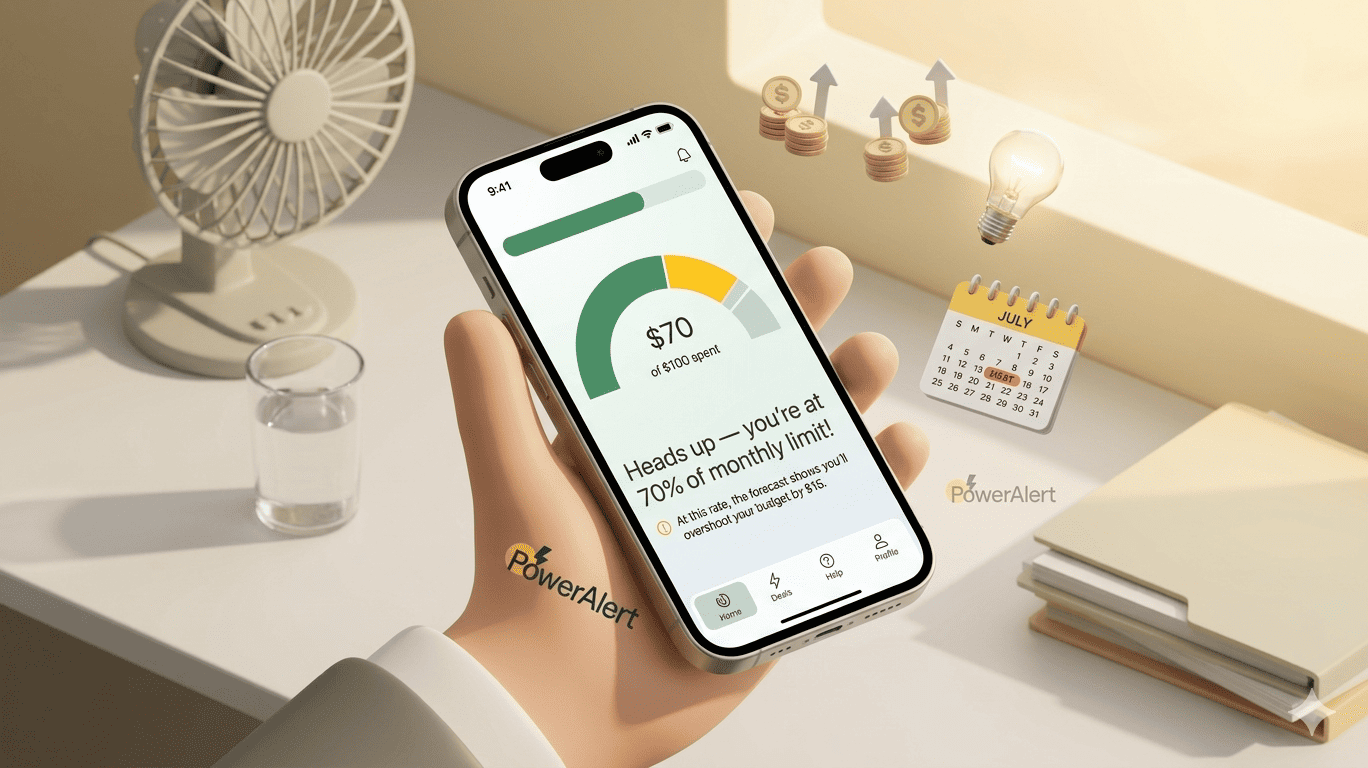
Instead of asking, “Do I need to go check again?” you get told when the bill starts heading in the wrong direction. That works better for a family budget because it gives you time to do something small before the total gets wallet-draining.
For the broader statewide framework behind that logic, see How to Track Electricity Usage in Texas and Texas electricity budget alerts.
Which approach fits which household
Manual checks are often fine if you:
- have a predictable bill
- do not mind checking occasionally
- only need occasional reassurance
Automatic alerts are usually better if you:
- want less stress
- need earlier warning before the bill closes
- are managing a tighter monthly budget
- are looking for a reliable way on how to lower electricity bill totals without micromanaging daily life
How to use this page
This comparison is most useful when you are still figuring out what kind of help fits your life.
- If you want the statewide system, go to How to Track Electricity Usage in Texas.
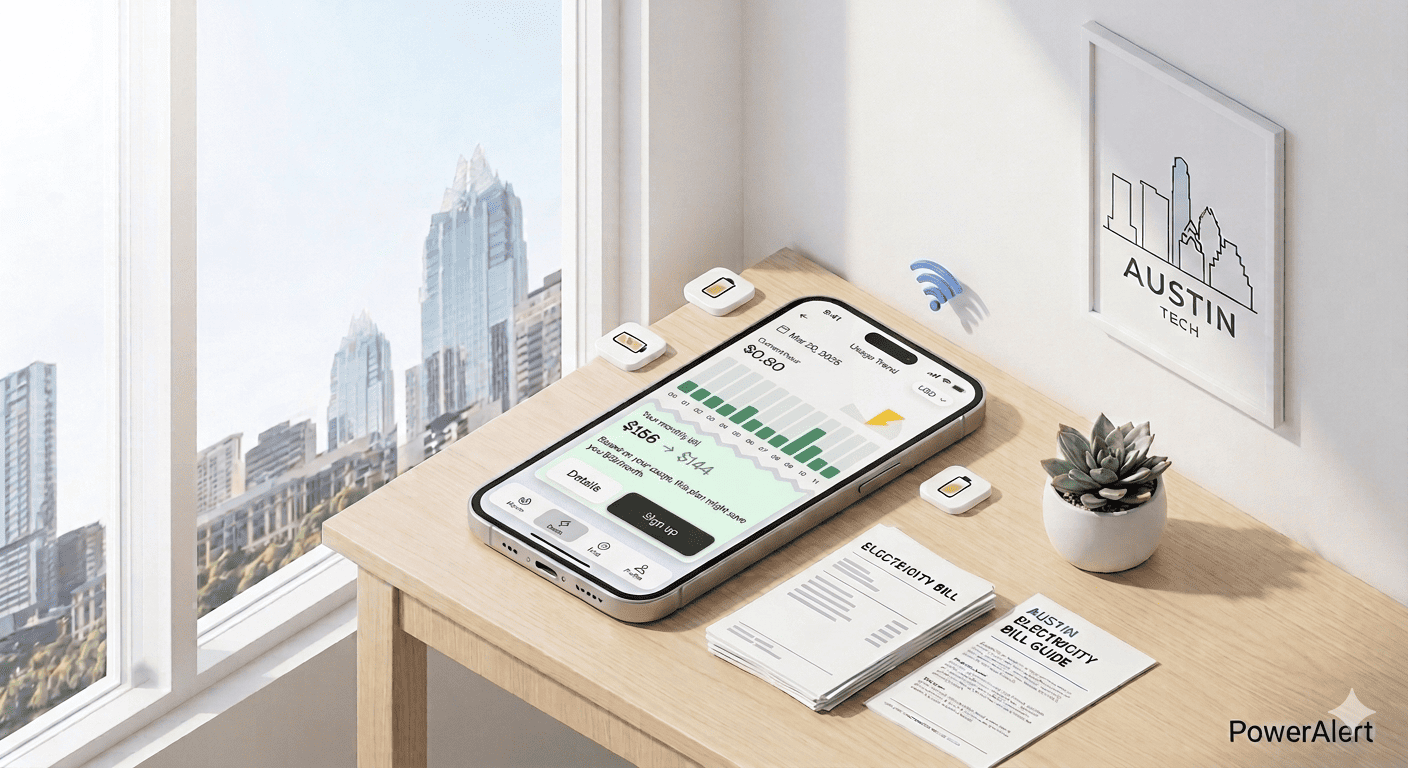
- If you want a renter-friendly city example, go to the Austin electricity bill guide.
- If you want provider details, branch into a provider-specific guide next.
The point of this comparison is simple: seeing numbers is not the same as having peace of mind.
Stop Guessing, Start Tracking with PowerAlert
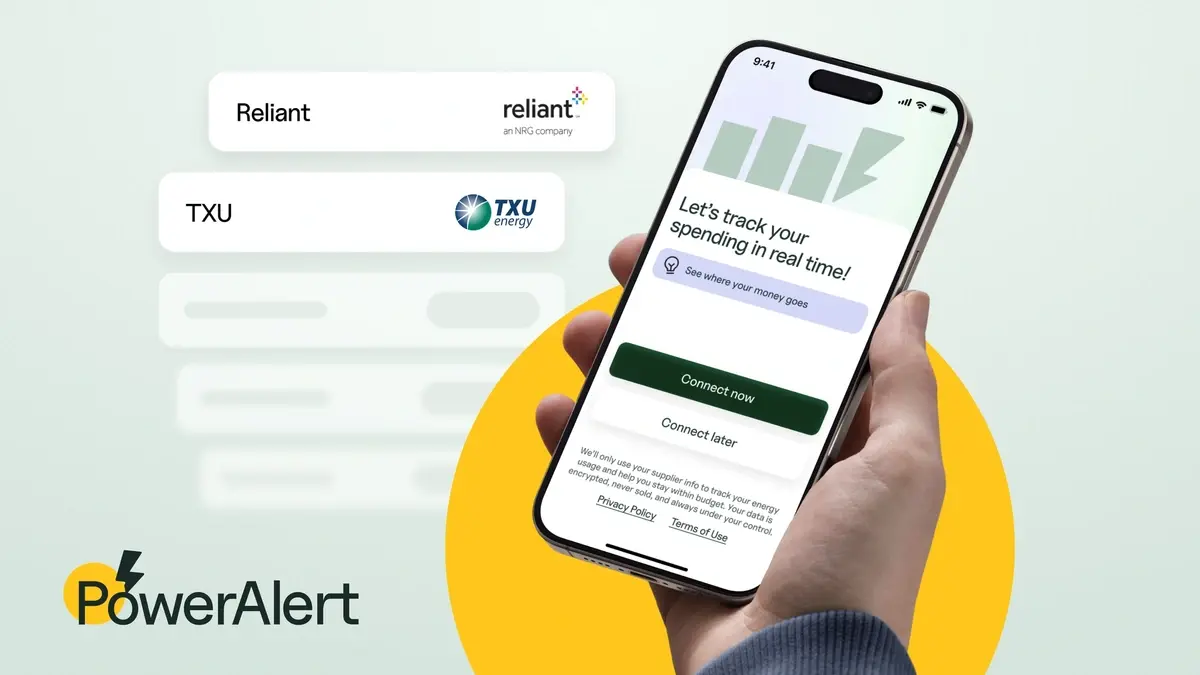
Reading about saving money is good, but actually tracking your usage is how you lower your bill. PowerAlert connects securely to your Texas energy provider to give you real-time budget alerts before your bill gets out of hand.