
Key takeaways
- Budget alerts are useful because they create time to react, not because they generate more notifications.
- Seasonal targets are more accurate than using the same electricity budget every month.
- This guide is most useful when you want to focus on pacing and monthly thresholds.
At a glance
What you will find here
- Primary keyword
- texas electricity budget alerts
- Audience
- Households with monthly budgets, Renters, Families managing bill volatility
- Geography
- Texas
- Tracking fit
- Depends on the provider setup
What matters most
Key details to keep in mind
- Centers the workflow around threshold timing rather than generic bill-saving tips.
- Links budgeting advice to Texas weather swings and ERCOT household behavior.
- Provides the decision framework that other guides reuse at the provider and city level.
Common situations this guide can help with
- Bills feel unpredictable even when usage is technically visible.
- People set one flat monthly target and then treat summer overruns as a surprise.
- Alerts are too noisy when they are not tied to a pacing system.
A simple way to get started
- Set one target for the current season, not for the whole year.
- Choose thresholds that correspond to useful intervention points.
- Pair this with a provider or city guide if the bill problem is tied to a specific account or local climate pattern.
If you live in Texas, you already know the feeling. The heat kicks in, the AC runs all day, and suddenly you are bracing yourself for a wallet-draining electric bill.
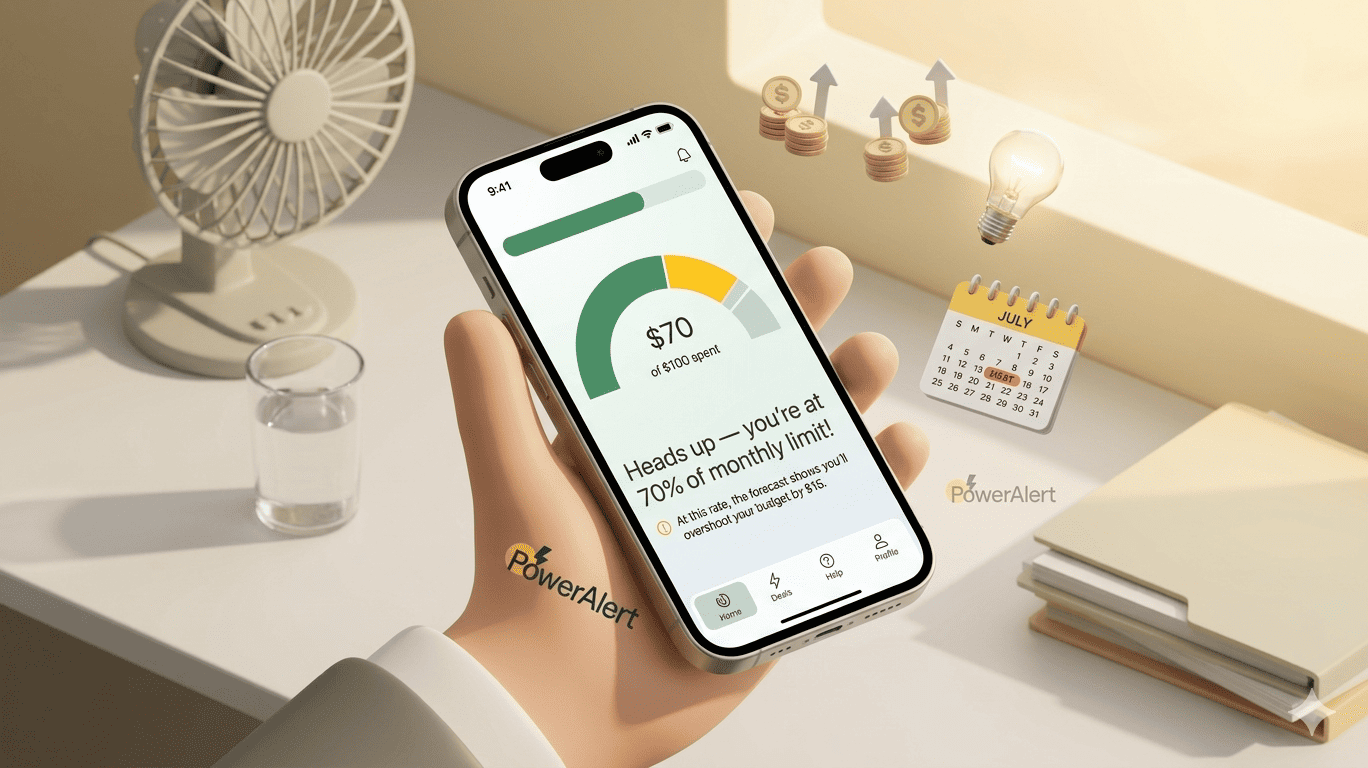
A budget alert is not about making you think about your bill more. It is about giving you peace of mind. Instead of waiting for sticker shock at the end of the month, you get a simple heads-up while there is still time to do something about it.
Why thresholds matter more than raw numbers
A few simple warning points help you see whether you are still on track.
Say your goal is to stay around $150. If you hit 30% early, that may be fine. If you hit 60% much too soon, it is a sign the bill may be running high. If you hit 90% with a lot of month left, that is when families start feeling that “uh-oh” moment.
Without those warning points, people end up looking at power use like random bits of news:
- today’s number seems high
- the weather was hotter than expected
- maybe the bill will still be okay
That is not a stress-free way to handle a bill. That is just guessing and hoping the damage is not too bad.
How to choose a Texas electricity budget
The best budget is the one that fits your real life this month, not the one that sounds nice on paper.
When Texans pick a power budget, these are the questions that matter:
- Is this a mild month or one of those brutal Texas summer heat months?
- Is the house busier than usual?
- Is someone staying over, home more often, or using something that pulls extra power?
If you want a statewide starting point first, read How to Track Electricity Usage in Texas. That page shows how to keep an eye on your bill without making it one more thing to worry about.
A simple alert structure that works
Many households only need four simple warning points:
- 30%: a quick sign that the month is starting normally
- 60%: a good moment to ask if the bill is climbing too fast
- 90%: a strong warning that the bill may end high
- 100%: target exceeded
This is simple enough to use without turning bill tracking into a second job. It also helps you compare one month to the next without pretending every Texas month feels the same.
When to go beyond the statewide advice
This guide stays broad on purpose. If your situation needs more detail, the next step depends on what is making the bill so stressful.
- Use a provider page if you want help with the company you already use, such as Texas provider electricity tracking.
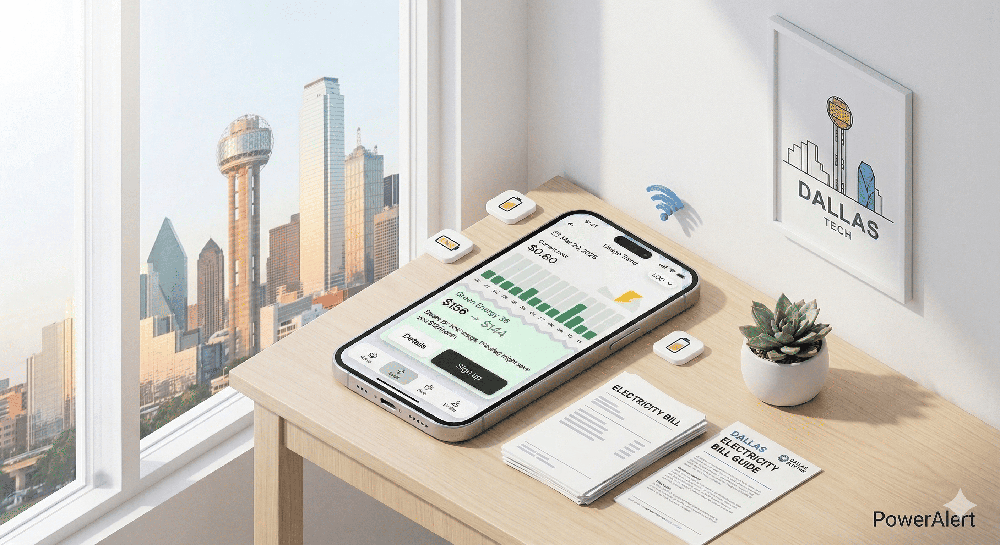
- Use a city page if heat, housing type, and local bill patterns are shaping the problem, such as the Dallas electricity bill guide.
- Use a comparison page if you are still deciding between manual checks and alert-based monitoring, such as manual provider checks vs automatic electricity alerts.
What a good budget alert system should feel like
When Texans ask how to lower my electric bill or how to save money on electric bill, the most helpful answer is usually a quiet alert system that does the watching for you. A good budget alert system feels quieter, not louder.
It should lower your stress, not pile on more. You should not feel like you need to keep checking numbers all day. You should just know when the month still looks okay and when it is time to turn the thermostat up a bit, wait on a heavy load of laundry, or make another small change.
That is the real value. The goal is peace of mind, staying on track, and avoiding a nasty surprise when the bill shows up.
Stop Guessing, Start Tracking with PowerAlert
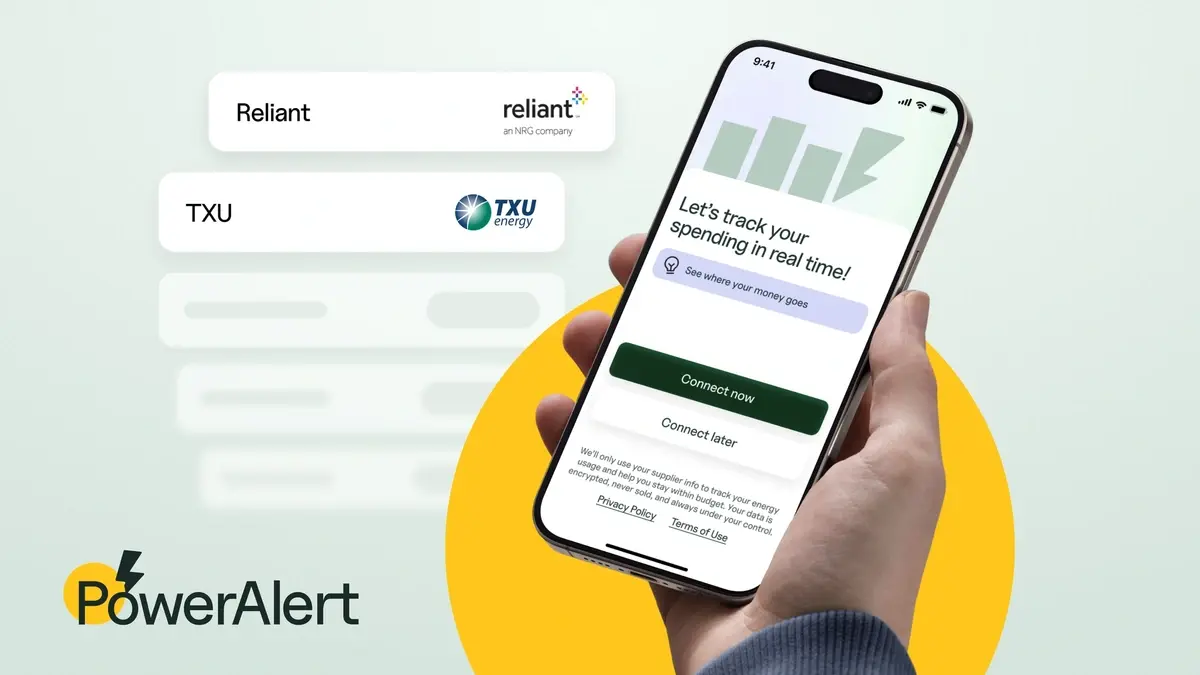
Reading about saving money is good, but actually tracking your usage is how you lower your bill. PowerAlert connects securely to your Texas energy provider to give you real-time budget alerts before your bill gets out of hand.